

Even as crews put the finishing touches on newly built roads, ports, and power stations across Africa, the continent’s people and its growing economies are demanding more.
• Senegal: IFC was the global coordinator of financing for a €230 million ($302 million) toll road project, which, when complete in 2013, will run 25 km from Diamniadio to Dakar, cutting travel time to and from the capital city from two hours to less than 30 minutes. France’s Eiffage won the project’s World Bank–supported 30-year concession, for which IFC provided €22.5 million ($30 million) in long-term debt alongside €40 million ($52.3million) from the African Development Bank, the West African Development Bank, and local bank CBAO.
Exceeding $1 billion
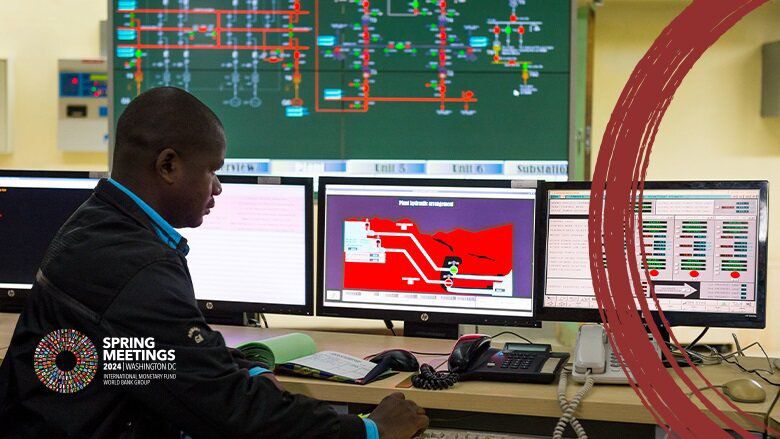
• Cameroon: Since 2001, when IFC advised the government in privatizing its power sector, new owner-operator AES Sonel has invested more than $1 billion connecting close to 340,000 people to its system. The most recent transaction was the 2011 financing for the company’s 216 MW Kribi project, the first commercial use of Cameroon’s substantial offshore natural gas reserves. In addition to providing €60 million ($86 million) in direct financing to the €263 million ($360 million) project, IFC coordinated a larger loan package from partner institutions, and worked with the World Bank on an IDA partial risk guarantee to facilitate Cameroon’s first long-term, local currency loan for infrastructure.
- This is an extract from Africa: Telling Our Story.