
Creating Opportunity Where It's Needed Most
A A A share

Sub-Saharan Africa


Was this page helpful?
Yes No

Follow us: IFC Africa on Twitter IFC Africa on Facebook IFC on YouTube

Follow us: IFC Africa on Twitter IFC Africa on Facebook IFC on YouTube

Africa Infrastructure: A Billion Dollar Business


Even as crews put the finishing touches on newly built roads, ports, and power stations across Africa, the continent’s people and its growing economies are demanding more.

Africa’s continued reform programs and IFC’s strategy are coming together at an unprecedented scale in 2012, when IFC will for the first time invest and mobilize more than $1 billion in private infrastructure in Africa. This is up from just $200 million five years ago, making IFC a leading investor in the sector.

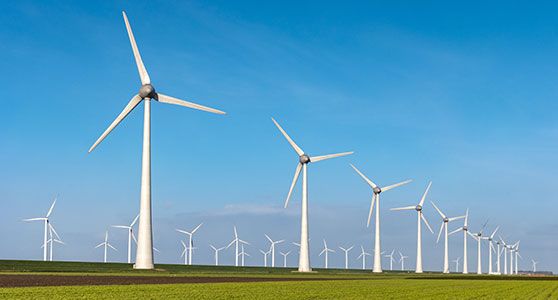
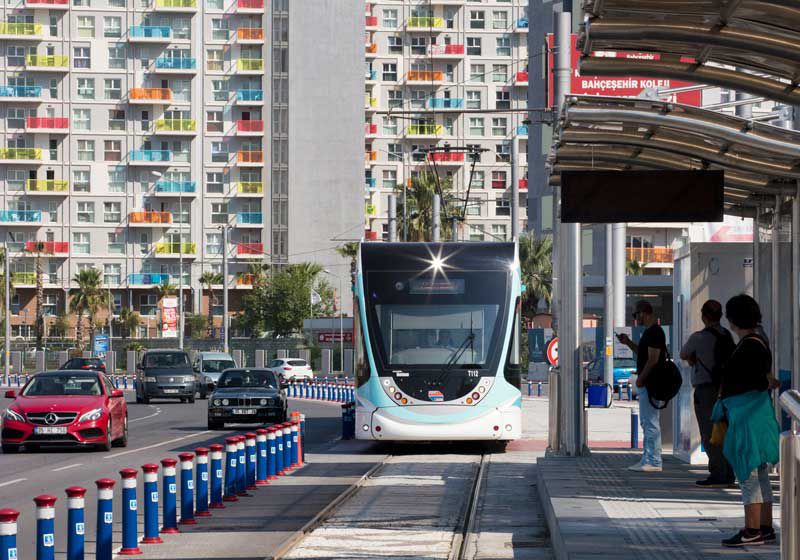
IFC’s focus is on the building blocks of any modern economy: ports, railways, telecoms, and power, including renewable energy.

A shortage of funding sinks some development in Africa, but a more serious hurdle is a lack of know-how to develop and guide infrastructure projects so governments can benefit from private sector expertise, management, and finance.

This is where IFC is leading the way. Developing deals requires time, effort, experience, and the ability get the right balance between private and public interests. IFC has successfully advised African governments, including local municipalities, on ways to engage the private sector in essential public services, and on how to restructure state-owned enterprises.

IFC’s PPP support between fiscal years 2008 and 2011 is expected to facilitate more than $4 billion in private financing for infrastructure and health, and to provide improved services to approximately 19 million people.

Recent highlights of the way IFC is helping Africa build its infrastructure include:


• Senegal: IFC was the global coordinator of financing for a €230 million ($302 million) toll road project, which, when complete in 2013, will run 25 km from Diamniadio to Dakar, cutting travel time to and from the capital city from two hours to less than 30 minutes. France’s Eiffage won the project’s World Bank–supported 30-year concession, for which IFC provided €22.5 million ($30 million) in long-term debt alongside €40 million ($52.3million) from the African Development Bank, the West African Development Bank, and local bank CBAO.


Exceeding $1 billion


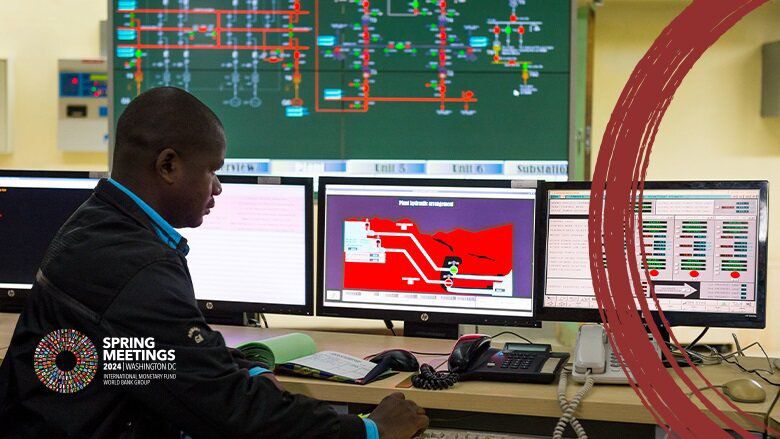
• Cameroon: Since 2001, when IFC advised the government in privatizing its power sector, new owner-operator AES Sonel has invested more than $1 billion connecting close to 340,000 people to its system. The most recent transaction was the 2011 financing for the company’s 216 MW Kribi project, the first commercial use of Cameroon’s substantial offshore natural gas reserves. In addition to providing €60 million ($86 million) in direct financing to the €263 million ($360 million) project, IFC coordinated a larger loan package from partner institutions, and worked with the World Bank on an IDA partial risk guarantee to facilitate Cameroon’s first long-term, local currency loan for infrastructure.


- This is an extract from Africa: Telling Our Story.

Stay Connected