
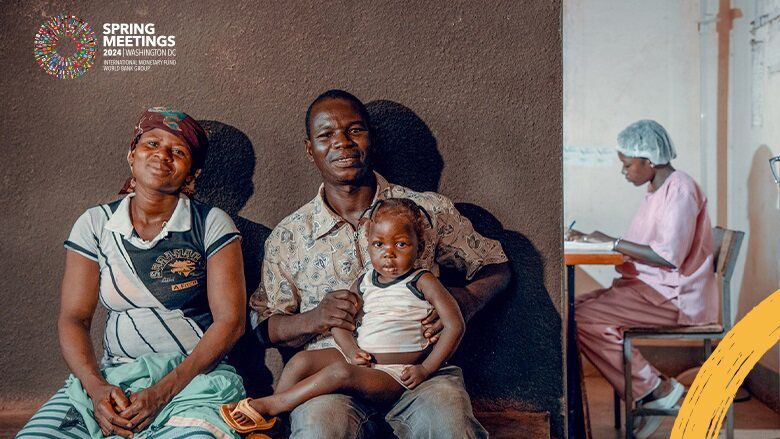


Unable to support their elderly parents with small salaries from the government, Karine and Narine Petrosyan opened a small shop in their home village of Mrgashat, in Armenia’s Armavir region
Looking to expand production and take advantage of a boom in regional container demand, Modern Karton, one of Turkey’s leading producers of paper-based containers, first needed access to a significant supply of water, a key ingredient for paper
The fine dining establishments of Knightsbridge and the Champs Elysees may soon be serving their well-to-do customers Ukrainian chicken. Backed by a $50 million IFC loan, Ukraine’s leading poultry producer is set to expand into European markets
Partnering with Switzerland’s State Secretariat for Economic Affairs (SECO), IFC has over the past year helped the Kyrgyz government overhaul its business inspections system, significantly reducing the administrative burden and slashing costs
In Serbia, where almost half the population lives in rural areas, revitalizing agribusiness is essential for creating jobs and reducing an unemployment rate that has crossed 20 percent.
In Europe and Central Asia we support the region’s economic recovery by expanding access to finance, improving infrastructure, and tackling climate change through a mix of investments and advisory services.
In fiscal year 2012 (July 1, 2011 - June 30, 2012), IFC commitments in the region totaled $4.16 billion in 114 projects in 20 countries, with $2.92 billion from our own account and $1.24 billion in syndicated and parallel loans, and funds mobilized from other investors. We stepped up support to markets vulnerable to the eurozone crisis and deleveraging by Western banks. The World Bank Group pledged up to $27 billion should the need arise, and we significantly increased our commitments in the Western Balkans (up 66 percent over last year) and in Bulgaria, Moldova, and Romania (up 91 percent).
IFC Advisory Services in Europe and Central Asia substantially expanded its climate change and agribusiness support programs. IFC trained hundreds of government inspectors and food producers on best international practices in food safety, helped local companies and banks improve corporate governance and strengthen their risk management practices, and supported governments in reforming business inspections, permits and tax administration systems.