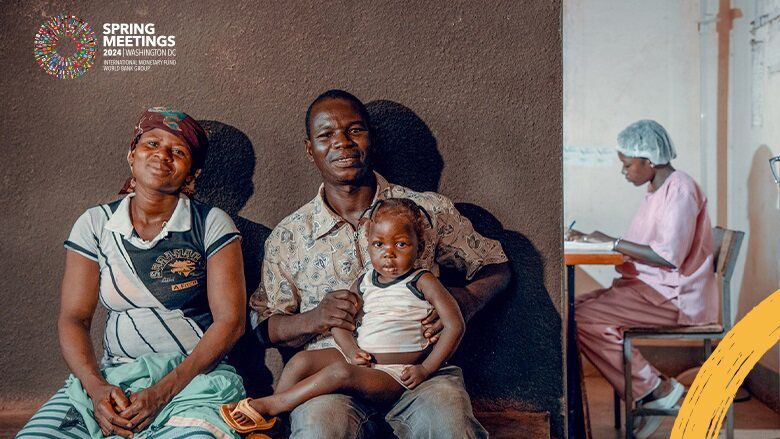



Washington, D.C., April 13, 2011 —Twenty-five percent youth joblessness is costing the Arab region nearly $50 billion every year. It’s not just the lack of jobs; education is not giving youth the skills they need. Recent events in the region continue to emphasize the social and economic disconnect between skills, jobs, and opportunity.
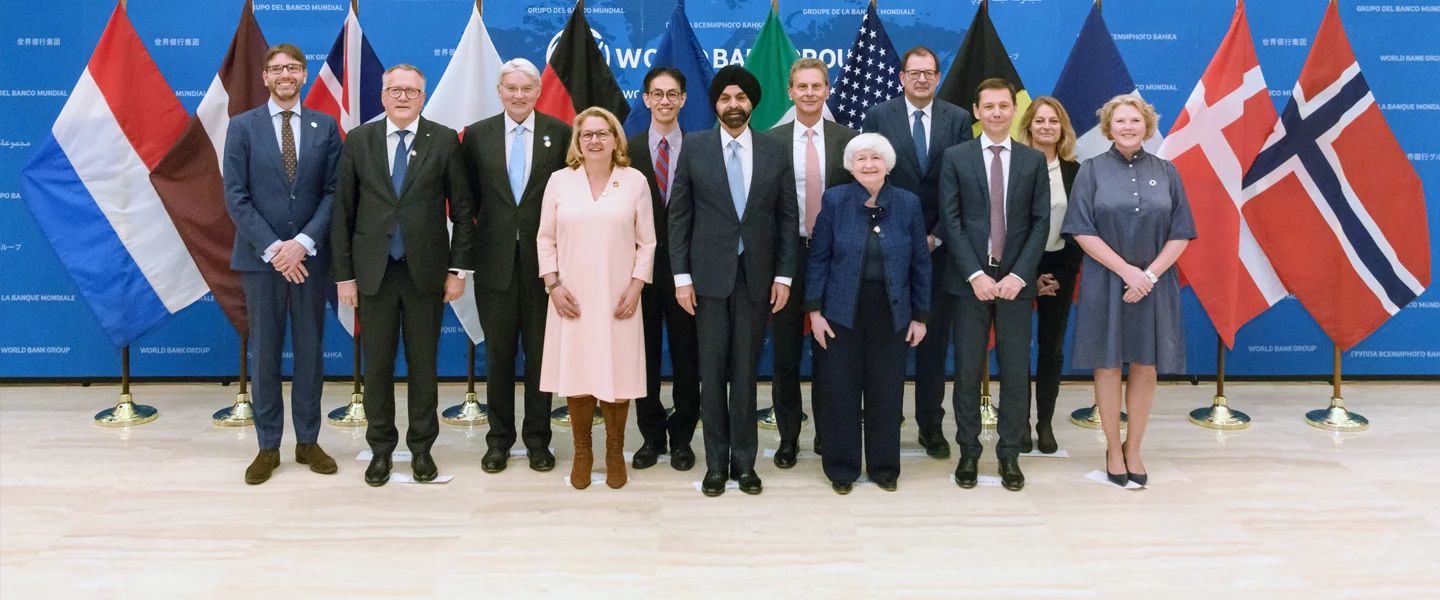
Education for Employment (e4e) is an IFC and Islamic Development Bank-led initiative focused on making job-oriented education one of the highest priorities in the region. As part of this initiative, the report Education for Employment: Realizing Arab Youth Potential, was launched today in Washington D.C., with keynote remarks by H.M. Queen Rania of Jordan, who is serving as honorary chairperson of the e4e initiative; World Bank Group President Robert Zoellick, Islamic Development Bank President Ahmed Mohamed Ali, and IFC EVP and CEO Lars Thunell.
IFC and the Islamic Development Bank are calling on all stakeholders to act decisively in designing appropriate e4e solutions,” said Thunell. “By implementing a robust e4e initiative, the energy of the region’s young people and the dynamism of its private sector can be brought together to build a brighter social and economic future for all.”
The Education for Employmentreport shows that the private sector can be a powerful force for positive change by complementing public efforts to ensure the region's youth gain the necessary skills for the jobs being created.
It explores how the private sector can contribute to meeting the current skills deficit and identifies the steps that should be taken, such as implementing the three enablers—standards, funding, and “matchmaking” (between youth and potential employers).
“We are ready to support the region in designing e4e solutions, and we expect and trust that other stakeholders will join us”, said Dr. Ali. “We must act jointly. We must act now. The future of the region depends on it.”
More than 200 in-depth interviews were done for the report; 1,500 employers and 1,500 young people were surveyed in nine priority countries, including, three middle-income economies: Egypt, Jordan, and Morocco; three oil producing economies: Algeria, Oman, and Saudi Arabia, and three fragile states: Iraq, the Palestinian Territories, and Yemen – accounting for approximately 70 percent of the Arab region’s population and 60 percent of its GDP.
The e4e initiative has engaged all key stakeholders, including public and private education providers, civil society, public sector policymakers and administrators, private employers, and youth themselves, in order to understand each of their perspectives.
The report is a call to action, a call to act now, to act decisively, and to act together to help transform life in the Arab region.
“If we do not do this, each and every young man and woman will be adversely affected, and overall stability and development of the region will be further threatened,” the report says.
Contacts:
Ludi Joseph
+1 (202) 473-7700
ljoseph@ifc.org
Riham Mustafa
+2 (02) 461-9150
rmustafa@ifc.org